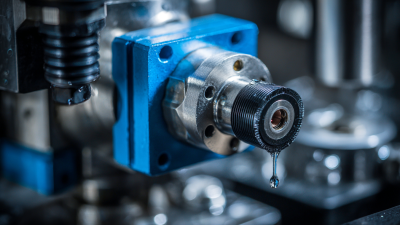
In the ever-changing world of fluid transfer tech, picking the right pump can really make a big difference when it comes to efficiency and saving costs. You’ve probably seen that Micropump Gear Pumps have been pretty popular—they're reliable and compact, which is great. But lately, industry chatter suggests there are some other options gaining ground. For example, a recent report from Grand View Research mentions that the global gear pump market is expected to hit around $8.1 billion by 2025. And interestingly, more folks are showing interest in newer alternatives that not only save energy but also offer more flexibility.

Here at Tide Smart Technology (Shanghai) Co., Ltd., right in Shanghai—China’s financial hub—we totally get how important it is to stay open to these new options to improve fluid transfer across different industries. With our strong history and major market advantages, we’re committed to bringing the latest solutions to the table, moving beyond the traditional Micropump Gear Pumps to meet the growing need for smarter, more sustainable options.
Understanding Micropump Gear Pumps: Key Features and Limitations
Micropump gear pumps are pretty popular when it comes to transferring fluids—they’re known for being efficient and reliable. Their design is pretty neat, especially with that precise control over flow rates and their small size, which makes them a lifesaver in tight spaces. That said, they’re not perfect, and it’s worth keeping a few things in mind. For example, these pumps can really struggle with thick, viscous fluids, and they don’t hold up as well when exposed to abrasive materials. That can mean more maintenance than you'd like, and possibly some downtime if they break down when you need them most.
Another thing to keep in mind is the temperature range these pumps can handle. Pumping hot liquids can damage their internals, which isn’t great for longevity. Plus, they’re a bit sensitive to pressure changes—so, depending on your setup, performance might vary. It’s definitely a good idea to think about your specific needs before choosing a pump. By understanding these pros and cons, you’ll be better equipped to pick the right one, ensuring things run smoothly and reliably, no matter what kind of industrial environment you’re working in.
Exploring the Best Alternatives to Micropump Gear Pumps for Your Fluid Transfer Needs
| Pump Type | Flow Rate (L/min) | Pressure Range (bar) | Viscosity Compatibility (cP) | Applications |
| Diaphragm Pump | 0.5 - 100 | 0 - 10 | 1 - 1000 | Chemical Transfer, Water Treatment |
| Peristaltic Pump | 0.1 - 50 | 0 - 3 | 0.5 - 10,000 | Food & Beverage, Biopharma |
| Gear Pump | 1 - 150 | 0 - 70 | 5 - 1000 | Hydraulic Fluids, Lubricants |
| Lobe Pump | 5 - 200 | 0 - 12 | 1 - 250,000 | Pulp & Paper, Wastewater |
| Screw Pump | 2 - 100 | 0 - 30 | 10 - 500,000 | Oil & Gas, Food Processing |
Top Alternative Pump Types for Fluid Transfer: Pros and Cons
When you're looking at alternatives to gear pumps for moving fluids around, a few different options stand out, each with their own little perks and drawbacks. Take peristaltic pumps, for example—these are really catching on lately, especially in cases where sterile or abrasive fluids are involved. According to a report by the Fluid Engineering Association, they’re pretty versatile—they can handle all sorts of viscosities—and they don’t need much maintenance, which makes them a good fit for things like pharma setups. That said, they usually don’t deliver as high flow rates as gear pumps, so if you’re dealing with really large volumes, they might not be the best choice.
Then there are diaphragm pumps. These are pretty handy because they can handle all sorts of fluids, including some pretty corrosive stuff—making them a solid option in chemical processing. A study from Pumps & Systems highlights that diaphragm pumps are efficient—around 85%, which is impressive. But, they do pulse a bit, so if your project needs steady, continuous flow, that could be a bit of a headache. Plus, they tend to cost more upfront, which might be a sticking point for smaller businesses trying to keep costs down. Knowing the pros and cons of each can really help you figure out what's best for your specific fluid transfer needs.
A Comprehensive Checklist for Choosing Fluid Transfer Solutions
So, when you're picking out the right fluid transfer system, it’s really important to think about a few key things that can make or break how well it works and how efficient it is. First off, take a good look at the fluid you’re planning to move. You know, things like its viscosity, what temperatures it needs to handle, and whether it’s chemically compatible with the materials you’re using. Different pump options—like gear pumps versus other alternatives—might handle these factors differently, so getting to know your fluid’s basics is kinda essential.
Then, you’ll want to consider your flow rate and pressure needs. The pump you choose should not just meet these requirements but ideally go beyond them. Look for models that offer adjustable flow rates and can keep a steady pressure, even if conditions change a bit. Also, don’t forget to check how energy-efficient the pump is—trust me, those savings really add up over time.
And finally, it’s worth thinking about how easy it’ll be to keep the pump maintained and whether spare parts are readily available. A pump that doesn’t require constant tinkering, and that you can find parts for easily, will save you a lot of headaches and downtime. If you follow this little checklist, you’ll be in a great position to pick a pumping solution that’s just right for your needs—reliable, efficient, and hassle-free in the long run.
Fluid Transfer Solutions Comparison
This bar chart compares the flow rates of different fluid transfer solutions. It highlights the performance of Micropump Gear Pumps compared to alternatives such as Diaphragm Pumps, Peristaltic Pumps, Centrifugal Pumps, and Screw Pumps.
Cost Analysis: Comparing Micropump Gear Pumps with Alternatives
 When you're figuring out which fluid transfer options to go with, it's really important to do a thorough cost check. You want to see if Micropump Gear Pumps are actually the best match for what you need. Sure, these pumps are known for their precision and reliability, but taking a look at other options can sometimes save you a chunk of money and maybe even offer better performance. Things like peristaltic pumps, diaphragm pumps, or centrifugal pumps are worth considering—they might fit your budget and operational needs better.
Pro tip: When you're comparing alternatives, don’t just focus on the initial purchase price. Think about the long-term costs too—energy use, how often you’ll need to do maintenance, and how often parts need replacing. Taking all this into account really helps you understand the true total cost of ownership.
Also, keep in mind the specific details of your application because certain pump types might work better than others. For instance, peristaltic pumps are fantastic at handling thick, viscous fluids and are pretty straightforward to maintain. On the other hand, diaphragm pumps are great if you need tight pressure control.
Extra tip: Don’t hesitate to chat with industry experts or pump suppliers—they can give you some real insights into how different pumps perform in the field. That way, you can make a smarter decision that balances cost, performance, and durability.
Industry Applications: Where Alternatives Shine Over Micropump Gear Pumps
When it comes to moving fluids around, micropump gear pumps have been the go-to for a long time, thanks to their small size and pretty reliable performance. But these days, lots of industries are starting to look at other options that can do even better and fit specific needs more closely. Take diaphragm pumps, for example—they’re really good at handling harsh chemicals and are perfect for industries like pharmaceuticals or chemical processing. One reason people like them so much is that they can run dry without getting damaged and still keep a steady flow, which is a huge plus when reliability is a must.
Then there’s peristaltic pumps—these are especially great when you need a sterile, contamination-free transfer. Since the fluid only touches the tubing, they’re a popular choice in the food and beverage world, as well as in biotech. They’re pretty easy to maintain, and they can handle all kinds of viscosity levels, so they often beat traditional gear pumps in terms of versatility. Plus, if you’re working with delicate, shear-sensitive materials, gear pumps might struggle, but peristaltic designs keep those fragile fluids intact. As industries keep evolving, checking out these alternatives really opens up new possibilities for innovation and making things run smoother overall.
Maintenance and Lifespan: Evaluating Long-Term Performance of Alternatives
When you're looking for alternatives to micropump gear pumps for moving fluids around, it’s really important to consider what kind of maintenance they’ll need and how long they’ll last. There are quite a few options out there, like diaphragm pumps or peristaltic pumps, and many of these promise to be more durable and easier to maintain. For example, diaphragm pumps are pretty versatile—they can handle different fluid viscosities and are good at preventing leaks, which means they tend to last longer. One of their biggest perks is that they can self-prime and run dry without issues, so they actually wear down less over time and don’t need as much upkeep.

On the other hand, peristaltic pumps are pretty cool because of how they’re built. Since the fluid only touches the inside of the tubing, it avoids some common problems like corrosion or cavitation that gear pumps often run into. Plus, swapping out the tubing is really straightforward, which means less downtime and keeps things running smoothly.
When you’re trying to decide which option fits your needs best, it’s worth weighing these kinds of factors—think about what fluids you’re transferring, how much maintenance you’re willing to handle, and what will give you the best bang for your buck in the long run. Basically, understanding the pros and cons helps you make a smarter choice and keeps your operations ticking efficiently.
Maximizing Sampling Efficiency: Insights from the Latest Market Reports on Oil-Free Vacuum Pump Technologies
In the pursuit of efficient sampling techniques, the latest market reports on oil-free Vacuum Pump technologies provide vital insights for professionals in the field. When selecting the right equipment, the choice of vacuum pumps can significantly impact the quality and accuracy of gas sampling. Among the various options available, the A6/05CL rotary vane air pump stands out due to its compact design and effective performance. With its small footprint, this pump is an excellent choice for gas sampling instruments like sampling and particle counters.
The A6/05CL features a brushed motor powered by 6Vdc, with customization options available for 12Vdc and even brushless models. This flexibility allows users to tailor the pump to their specific needs, ensuring optimal functionality in various applications. While this rotary vane pump is crafted from durable stainless steel, its stability in flow rates and low noise output rival that of nylon-based diaphragm pumps, such as the AD4 series. The A6/05CL, despite its higher price point, offers exceptional reliability for critical measurements that demand precision, making it a favorite among industry specialists for high-stakes gas sampling.
Understanding the nuances between these pumps is crucial for maximizing sampling efficiency. The choice between the A6/05CL and the AD4 diaphragm pump depends largely on the specific requirements of the application, such as material preferences and budget constraints. However, both options exemplify innovation in oil-free pumping technology, highlighting the advancements that have made accurate gas sampling more accessible and efficient than ever before.
FAQS
: You should assess the properties of the fluid, including viscosity, temperature range, and chemical compatibility, as well as evaluate the flow rate, pressure requirements, energy efficiency ratings, and ease of maintenance.
It's important to conduct a thorough cost analysis and evaluate the specifics of your application. Consider the performance, initial purchase price, long-term operational costs, and how well different pump types align with your needs.
Alternatives include peristaltic pumps, diaphragm pumps, and centrifugal pumps. Each offers unique benefits depending on the application and fluid characteristics.
Look for pumps that require infrequent maintenance and have readily available spare parts. Understanding the maintenance overhead and lifespan of different pump types is crucial for minimizing downtime and operational disruptions.
Diaphragm pumps generally handle a variety of fluid viscosities well, provide leak prevention, and can run dry, which enhances their lifespan and reduces maintenance needs compared to micropump gear pumps.
Peristaltic pumps limit fluid contact with mechanical components, reducing issues like corrosion and cavitation. They also allow for easy tubing replacement, resulting in minimal downtime.
Yes, energy efficiency ratings can lead to significant cost savings over time, making it an important factor in your overall evaluation of fluid transfer options.
Engaging with industry experts or pump suppliers can provide valuable insights into the performance histories of different pump types, helping you make a more informed decision that balances cost and functionality.
Conclusion
When you're trying to find the best fluid transfer solution, it's really important to understand what the Micropump Gear Pump can and can't do. These pumps are pretty popular for their accuracy and dependability, but honestly, they might not be the perfect fit for every situation. In this post, we're gonna look at some of the top alternatives, sharing what’s great about them—and where they might fall short—so you can have a clear idea of what's out there. We'll also put together a handy checklist to help you pick the right pump for your needs.
On top of that, we’ll do a bit of a cost comparison between Micropump Gear Pumps and these other options. We’ll highlight specific industry uses where different types of pumps might actually perform better than traditional gear pumps. And of course, we’ll take a close look at maintenance and how long these pumps tend to last, so you get a full picture of what to expect in the long run. With all this info, you should be able to make smarter, more confident choices tailored to what you really need. And remember, we’re here to help you through it all, thanks to our team at Tide Smart Technology (Shanghai) Co., Ltd.